
Across Europe, the transition toward climate neutrality is accelerating. Transport alone accounts for around 25% of the EU’s total greenhouse gas emissions, and unlike other sectors, its emissions have not decreased at the same pace. While much of the debate focuses on urban electrification, public transport expansion, and low-emission zones, a critical dimension often remains underrepresented: rural mobility.
Rural areas cover nearly 83% of the European Union’s territory and are home to approximately 30% of its population. Yet mobility systems across these regions remain heavily car-dependent, fragmented, and structurally underfunded. Limited public transport frequency, long travel distances, ageing populations, and dispersed settlements make traditional transport planning models inefficient and economically unsustainable. As a result, rural residents often face restricted access to employment, healthcare, education, and social participation.
If Europe is to meet its climate neutrality target by 2050, rural mobility cannot remain an afterthought.
The Structural Challenge of Rural Transport
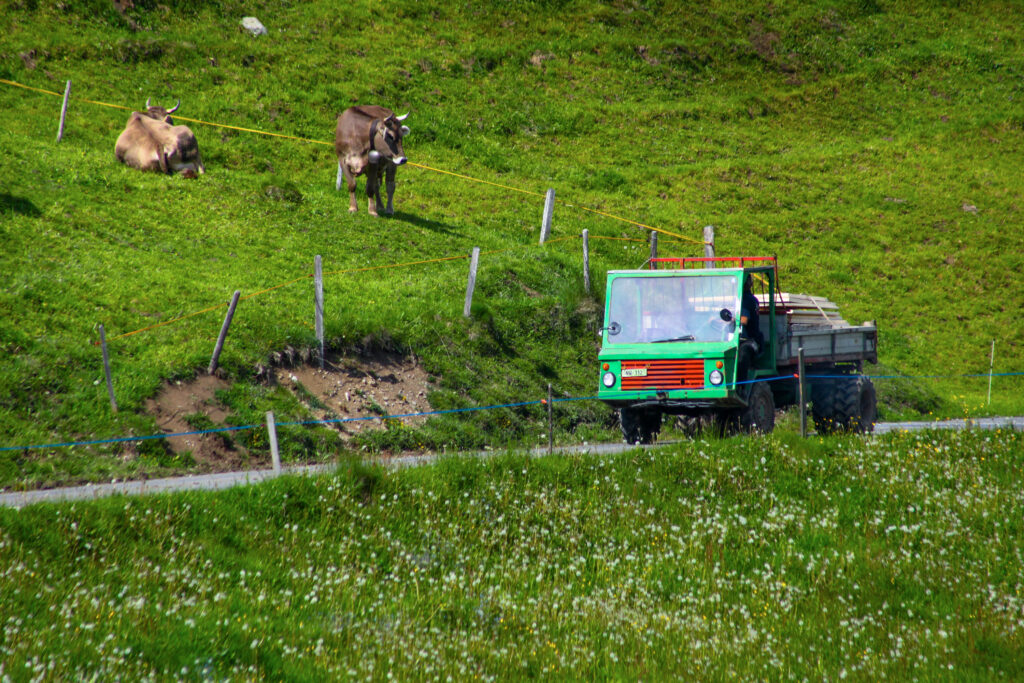
Research on sustainable rural mobility consistently highlights a fundamental mismatch between conventional transport policies and rural realities. Urban-centric approaches (high-frequency fixed routes, dense infrastructure networks, and large passenger volumes) do not translate well to sparsely populated territories.
Studies have shown that rural transport exclusion contributes not only to higher emissions per capita but also to social inequality. In many regions, owning a private vehicle is not a choice but a necessity. For vulnerable groups, including elderly citizens, young people, and low-income households, limited mobility can deepen isolation and reduce economic opportunity.
At the same time, the EU’s long-term climate objectives require a reduction in transport-related emissions through electrification, modal shifts, and improved efficiency. However, electrifying private car fleets alone will not solve rural transport challenges. Infrastructure gaps, charging accessibility, digital literacy barriers, and economic feasibility all complicate the transition.
Sustainable rural mobility must therefore move beyond vehicle technology. It requires systemic redesign.
A European Policy Shift Toward Rural-Sensitive Solutions
The European Commission has increasingly acknowledged this gap. Recent guidance on sustainable rural mobility and ecotourism emphasizes the need for place-based, locally tailored solutions that integrate environmental, social, and economic dimensions.
Rather than replicating urban transport systems, rural areas are encouraged to adopt flexible, demand-responsive, and digitally enabled mobility models. Shared transport services, mobility-as-a-service (MaaS) platforms, microtransit, and community-led initiatives are gaining traction as viable alternatives.
The EU’s Long-Term Vision for Rural Areas (LTVRA) further reinforces this perspective, stressing that rural territories must be active contributors to climate neutrality rather than passive recipients of policy designed elsewhere.
In this context, digital innovation and community engagement emerge as key enablers.
From Access to Autonomy: Rethinking Rural Mobility
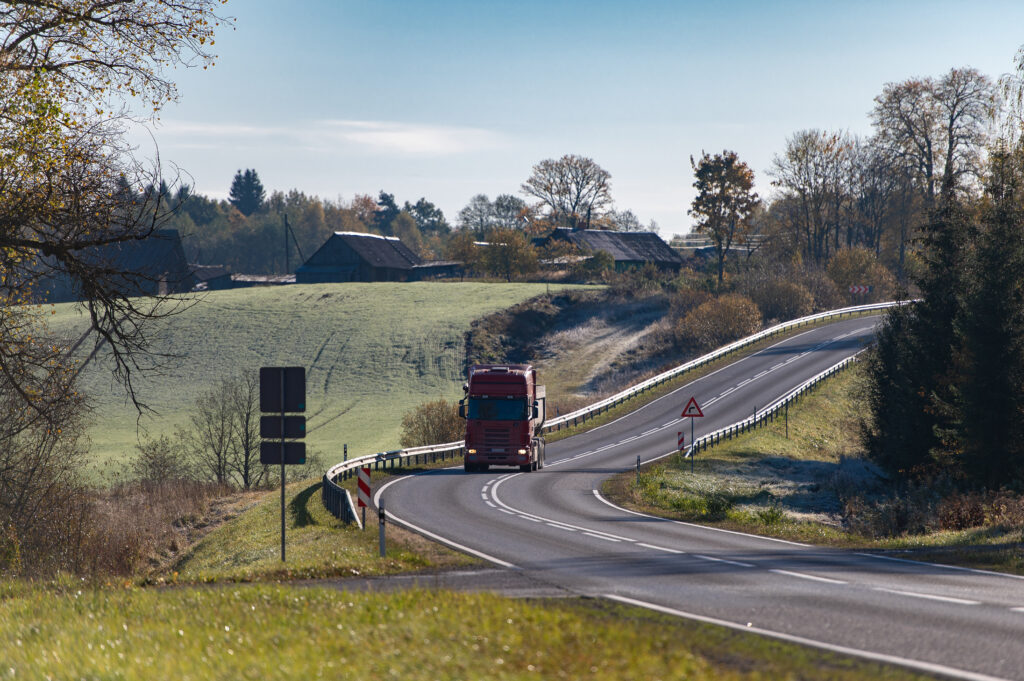
Traditional mobility strategies focus primarily on access, ensuring that people can move from point A to point B. However, in rural contexts, autonomy and adaptability are equally critical.
Climate-neutral mobility in rural regions requires:
- Flexible systems that adjust to fluctuating demand
- Digital tools that simplify booking and coordination
- Shared transport models that optimize vehicle occupancy
- Inclusive design that accounts for elderly users and families
- Integration with local development strategies
Research highlights that when communities are involved in co-designing mobility systems, adoption rates increase and long-term viability improves. Participatory approaches ensure that solutions reflect real travel patterns rather than theoretical demand projections.
The goal is not simply to reduce emissions but to strengthen territorial cohesion.
STORCITO’s Approach to Inclusive Climate-Neutral Mobility
Within this broader European landscape, STORCITO’s Case Study 3 focuses on developing and validating inclusive, climate-neutral mobility solutions tailored specifically to rural regions in Continental, Boreal, and Atlantic contexts.
Rather than imposing a standardized transport model, the project works directly with local communities and stakeholders to co-create shared mobility systems that reflect territorial needs.
Key components include:
1. Digital Shared Mobility Platforms
The project integrates user-friendly digital applications that facilitate shared transport booking and route optimization. These systems enable residents to coordinate trips efficiently, reducing single-occupancy vehicle use and lowering emissions without requiring extensive new infrastructure.
2. Pilot Testing in Real Rural Environments
Solutions are tested in real-life rural municipalities, ensuring that technological innovation is grounded in operational feasibility. Pilots allow for iterative improvements and stakeholder feedback before broader replication.
3. Inclusion as a Core Design Principle
Mobility solutions are designed with particular attention to vulnerable users, including elderly residents and families with children. Ensuring ease of use, accessibility, and trust is central to long-term adoption.
4. Emissions Reduction Through Efficiency
By improving occupancy rates and optimizing routes, shared rural mobility systems can significantly reduce per-passenger emissions compared to fragmented private travel patterns.
STORCITO’s mobility case study demonstrates that climate-neutrality pathways must be adapted to rural geography rather than simply transferred from urban environments.
Mobility as a Driver of Rural Resilience
Transport is not only about emissions. It is intrinsically linked to rural resilience.
When mobility systems function effectively:
- Economic participation improves
- Access to services increases
- Social isolation decreases
- Local businesses become more competitive
- Youth retention becomes more viable
Conversely, inadequate mobility accelerates depopulation and weakens local economies.
By strengthening shared and inclusive transport models, rural regions can position themselves as active contributors to Europe’s green transition. Climate-neutral mobility becomes not just an environmental objective, but a territorial development strategy.
Beyond Technology: Governance and Replicability
One of the recurring findings in sustainable mobility research is th at technology alone is insufficient. Governance models, funding mechanisms, and inter-municipal coordination determine long-term success.
STORCITO therefore places emphasis not only on digital platforms but also on knowledge exchange and policy alignment. Lessons learned from pilot regions aim to inform broader European discussions on how rural mobility frameworks can be scaled and replicated.
This aligns with EU recommendations advocating for multi-level cooperation between local authorities, regional planners, and European institutions.
By documenting practical implementation pathways, the project contributes to evidence-based policymaking in rural transport.
A Climate-Neutral Future Must Include Rural Europe
Achieving climate neutrality by 2050 requires systemic transformation across all sectors and territories. Rural mobility represents both a challenge and an opportunity.
Without intervention, car dependency and limited transport options risk reinforcing social inequality and emissions stagnation. With targeted innovation, however, rural regions can pioneer flexible, community-led mobility systems that reduce environmental impact while enhancing quality of life.
STORCITO’s inclusive climate-neutral mobility case study illustrates how local action, digital innovation, and participatory design can converge to create scalable rural solutions.
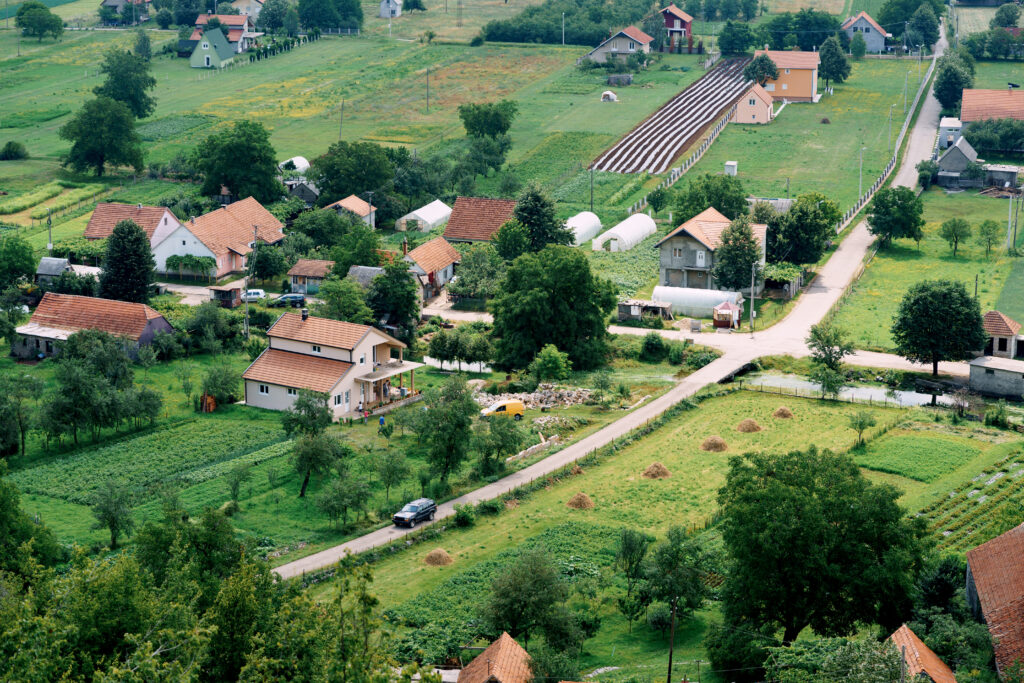
Climate neutrality will not be achieved solely through metropolitan infrastructure projects. It will depend equally on ensuring that Europe’s villages, small towns, and remote communities are equipped with the tools to shape their own sustainable mobility futures.
Because a climate-neutral Europe must be territorially inclusive, or it will not be climate-neutral at all.